Like all distilled spirits, brandy comes in good, medium, and poor qualities.
A representative of good brandy is French Cognac. According to traditional methods, it is fermented from grape juice, distilled using traditional pot stills, and aged in oak barrels in accordance with traditional standards for a sufficient number of years before being blended and leaving the factory.
Medium-quality brandy is basically brewed from grapes, but in the brewing process, some "simplified and accelerated" techniques and additions are adopted in various process links.
Inferior brandy is mainly made from edible alcohol, blended with various grape juices, distilled spirits distilled from grape skins or pomace, and other additives. This kind of brandy is generally called alcohol-blended brandy.
This article will briefly introduce how a good bottle of brandy is brewed in accordance with the following five process links: ① Grape Selection, ② Grape Juice Fermentation, ③ Distillation, ④ Storage, and ⑤ Blending. Medium and inferior brandy will be introduced in separate articles.

① Grape Selection
As we all know, whether it is fermented wine or brandy, "good wine is grown", which means that the grape variety is very important. Through long-term practice, the main grape variety selected for Cognac is Ugni Blanc. The base wine for brandy brewed from this variety has a moderate aroma, light taste, and high acidity, which is convenient for controlling the alcohol content of the base wine and is also conducive to the formation of flavor during the later aging of the wine in oak barrels. Some grapes with a particularly strong aroma, such as Muscat grapes, cannot be used as raw materials for brandy. Brandy made from Muscat grapes tastes like toilet water, with the unique rose aroma of the grape variety, which does not meet the requirements of brandy.
② Grape Juice Fermentation for Brandy Base Wine
Brandy base wine is made similarly to white wine, but with key differences. While white wine is bottled directly, brandy base wine is produced solely for distillation, not for direct consumption. Its main indicators: alcohol ~7.5% vol, pH 3.0–3.2, residual sugar <0.3%-much lower than table wine (12.5–14% vol).
The process: crush and separate grapes, ferment only the juice (skins and pomace are used for other wines or low-grade brandy). High-quality brandy uses pure grape juice without skins or pomace. No sulfur dioxide is allowed in fermentation.
Additives: Good brandy uses naturally occurring wild yeast without any added substances. Inferior brandy may include sucrose or urea. Artificially cultivated yeasts produce lower quality wine than natural wild strains.


③ Distillation
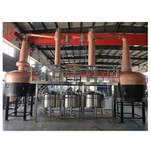
The traditional Charentais pot still requires two distillations. The first produces raw brandy (22–35% vol), and the second yields brandy base wine (65–70% vol). During the second distillation, the heads and tails are discarded; only the middle heart (about 30% of the still's content) becomes first-grade brandy, which requires oak aging and blending. Re-distilling the heads and tails produces second-grade raw brandy-only medium quality.
Other still types (e.g., with fractionating trays or columns) can achieve one-time distillation and will be introduced separately.
④ Storage
Quality brandy ages naturally in oak barrels: 3–4 years for good brandy, 5–6+ years for famous brands. Ideal barrels are 3–15 years old and made from wood air-dried for 2–3 years (or 1–2 years with artificial drying). Barrels over 15–20 years are considered old and less effective.
Not all barrel-aged wine is good brandy-only that aged in properly seasoned barrels. Artificial aging (e.g., accelerators) lowers quality by one grade.

⑤ Blending
The last important process before brandy becomes finished wine is blending. The so-called blending is to mix brandies of different ages and barrel numbers, but the specific proportion used is independently developed by each distillery, which is also their own unique technology.
Generally, brandy sold on the market has a certain year mark. For example, XO must be aged in wooden barrels for no less than 6 years. The regulations for brandy blending are based on the shortest aging time. For example, 10-year-old and 20-year-old barrel-aged wines may be used, but the age is not counted; the age is based on the wine with the shortest barrel storage time in it.
High-grade and high-quality brandy is not flavored. Its unique fragrance is completely naturally brewed. In other words, if flavoring is added through other technologies after blending, then this wine cannot be called good brandy.