The production process of spirits
1.Raw Material
If the raw material is grapes or syrup, it can be directly used; If the raw material is a starch based crop, it is necessary to convert the starch into fermentable monosaccharides before proceeding to the next step

2.Fermentation
The process of yeast converting sugar into alcohol is called fermentation, and after fermentation, the base liquor is obtained. At this time, the alcohol content is not high, usually around 10 degrees, and it contains a large amount of flavor substances, directly affecting the flavor of the liquor.

3.Distillery
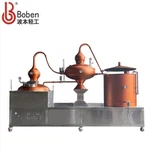
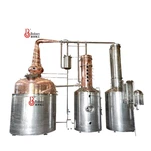
The key step in determining the height of strong liquor is to purify alcohol and some flavor substances by heating, vaporizing, and condensing, taking advantage of the different boiling points of alcohol and water. Common distillers are divided into pot type distillers and column type distillers: pot type distillers can only be distilled once at a time, with low distillation efficiency, high cost, and long time consumption. Usually, they need to be distilled twice or even three times to reach the required degree, but can distill more flavor substances; A column still is a type of distillation that can produce multiple alcoholic beverages in one go. Each layer of the tray is a small still, and the alcohol content and flavor substances in each layer of the tray are different. The selection is based on style needs. Compared to a pot still, the flavor substances are much less, but the efficiency is higher.

4.Aging
Spirits vary in type and age, with some lasting for decades, such as whiskey, and others bottled without aging, such as gin. Similar to wine, the aging of spirits is mostly done in oak barrels, and the origin, size, old and new, and degree of baking of oak barrels can all affect the final style of the spirits. The barrel and time will give the wine multiple changes, more flavors, more colors, and more softness.

5.Mix
It is difficult to see the vintage on strong wine bottles because wineries often choose to mix different vintages in order to maintain consistency in the style of the same wine.
6.Bottling
Before bottling, different treatments are also carried out according to the needs of the liquor. For example, most spirits are diluted with water to an alcohol content of about 40% before bottling, such as using caramel for color adjustment, filtering for color and flavor removal, etc. After being bottled, spirits can be directly brought to the table, unlike wine, which can also be aged in the bottle.