Whiskey, a spirit with a rich and mellow taste and a long history, owes its existence to the intricate and remarkable distillation process. This process combines technology and artistry, transforming simple ingredients like grains, yeast, and water into a unique and flavorful beverage. Despite its popularity, many people are unaware of how whiskey is distilled. In this article, we will take you on an in-depth exploration of the whiskey distillation journey, covering everything from the selection of raw materials to the use of equipment and the detailed operations of each step, revealing the mystery behind the birth of this classic drink and allowing you to appreciate the craftsmanship behind it.

Raw Materials Required for Distilling Whiskey
Water
Water is the foundation of whiskey production, being involved in every stage of the process. The purity, mineral content, and source of the water (such as natural springs or groundwater) all influence the flavor of the whiskey to varying degrees. In the brewing and dilution stages, the quality of water plays a decisive role in the final taste of the product. Whiskey producers often favor high-quality water sources, such as those from the Scottish Highlands, as the pure and unique mineral composition of the water can add rich flavors to the liquor.
Grains
Grains are the main ingredients of whiskey, with common ones including corn, wheat, barley, and rye. Each type of grain has its own characteristics in whiskey production, endowing the liquor with unique flavors and textures. Barley is frequently used in the malting process. Its rich starch is converted into fermentable sugars during the germination process, providing energy for subsequent fermentation. Moreover, the husk of barley helps with filtration, which is of great significance for clarifying the liquor and forming its flavor. Corn imparts a sweet and smooth taste and is used in relatively high proportions in bourbon whiskey. Wheat makes the liquor taste softer and smoother, while rye adds a rich and spicy flavor, giving whiskey a distinctive character.

Yeast
Yeast plays a crucial role in whiskey production as it is responsible for converting the sugars in grains into alcohol and carbon dioxide, initiating the fermentation process. When selecting yeast, factors such as its fermentation characteristics, including fermentation speed, efficiency, and the flavor substances it produces, need to be considered. Different yeast strains generate various by-products such as esters, aldehydes, and higher alcohols during metabolism, which have a significant impact on the aroma and flavor complexity of whiskey and are important factors in shaping the unique style of whiskey.
How To Distill Whiskey
Malting
Malting is the first step in whiskey production, aiming to activate the enzymes in grains and promote the efficient conversion of starch into sugar, laying the foundation for subsequent saccharification.
● Soaking: Barley or other selected grains are soaked in water, usually for 2 - 3 days. During this period, the grains absorb water and swell, creating conditions for germination. The water penetrates into the interior of the grains, triggering a series of physiological and biochemical changes.
● Germination: After soaking, the grains begin to sprout, activating starch-decomposing enzymes such as α-amylase and β-amylase. These enzymes are crucial in the subsequent saccharification stage as they gradually break down the starch in the grains into fermentable sugars such as glucose and maltose. At the same time, the germination process also generates some substances that affect the flavor.
● Drying: The germinated malt is transferred to a drying oven for drying to stop the germination process and retain the enzyme activity. The drying temperature is a key factor influencing the flavor of the malt. As the temperature rises, the flavor of the malt becomes stronger and the color deepens. This is because high temperatures trigger a series of complex chemical reactions such as the Maillard reaction, generating numerous flavor and pigment substances, giving whiskey its unique malt aroma and color.
Saccharification
Saccharification is the process of further converting the starch in malt into sugar. The dried malt is ground into powder and mixed with hot water to form a mash. The mash is kept at a specific temperature (usually 60 - 70°C) for a certain period to allow the enzymes in the malt to fully act on the starch, ensuring that as much starch as possible is converted into sugar. This process requires precise control of temperature and time. If the temperature is too high or the time is too long, the enzymes may be deactivated, affecting the saccharification effect. On the other hand, if the temperature is too low or the time is too short, the starch conversion will be incomplete, reducing the subsequent alcohol yield and the flavor of the liquor.

Fermentation
After the mashed malt is cooled, yeast is added for fermentation. Fermentation vessels usually include oak barrels or stainless steel tanks. The fermentation process generally lasts for 2 - 3 days, and the specific duration is affected by factors such as the type of yeast, the concentration of the malt mash, and the environmental temperature. Yeast converts the sugars in the malt mash into alcohol and carbon dioxide. During this period, the liquor gradually develops a unique aroma and flavor, and the alcohol concentration gradually increases. The hygiene conditions of the fermentation environment are extremely important, and strict control of bacterial contamination is necessary to avoid affecting the fermentation process and the quality of the liquor.
Distillation
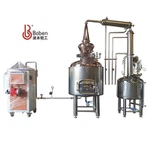
● Pot Distillation: Commonly used in the production of Scottish single malt whiskey. First, the fermented liquor is loaded into a pot still and heated. Alcohol and some flavor substances evaporate under heat, forming steam that rises to the top of the still and is cooled by a condenser into a liquid that flows into a collection container. The alcohol concentration of the liquor obtained from the first distillation is about 20% - 30%, and it also contains many impurities and flavor components. Then, a second distillation is carried out to further purify the alcohol and concentrate the flavor substances. During the second distillation, the quality of the liquor collected from different parts of the still varies. The heads contain more low-boiling harmful impurities (such as methanol) and need to be discarded. The hearts are the best-quality part with rich flavor and an appropriate alcohol concentration (about 60% - 70%), which is collected for aging. The tails have a low alcohol content and many impurities and are usually mixed with the first distillate of the next batch for re-distillation.
● Column Distillation: Column stills are more efficient and are commonly used in the production of bourbon whiskey. The liquor flows continuously inside the distillation column, making contact with steam in a countercurrent manner through multiple trays, achieving multiple partial vaporizations and condensations. This method can quickly separate alcohol from impurities, and a single distillation can be completed in 4 - 6 hours. The alcohol concentration of the obtained liquor is relatively high (up to 90% or more), but compared with pot distillation, it retains less flavor substances. However, the flavor deficiency can be compensated for by subsequent processes such as aging in oak barrels.


Aging
The distilled liquor needs to be aged in oak barrels, which is a crucial step in shaping and maturing the flavor of whiskey. Factors such as the type of oak barrel (such as American oak barrels or European oak barrels), the degree of newness or oldness, the level of toasting, and the aging time all have a profound impact on the flavor of whiskey. Oak barrels can impart rich flavors such as vanilla, spices, smoke, and caramel to the liquor. At the same time, they promote the slow contact between the liquor and oxygen, allowing it to mature gradually in a slightly oxidized environment, making the taste more mellow and soft, and the color also deepens with time. The aging time usually ranges from several years to several decades. The longer the aging time, the more fully the whiskey absorbs the flavor of the oak barrel, and the higher the quality and price tend to be.
Blending (Optional)
Some whiskeys are blended before bottling. Blenders mix different batches, different oak barrels, or different vintages of whiskey in specific proportions, aiming to create a product with a consistent and unique flavor. The blending process requires blenders to rely on their rich experience and keen sense of smell and taste to accurately grasp the characteristics of each liquor and skillfully blend them, so that the final product achieves an ideal balance in aroma, taste, and flavor, meeting consumers' expectations of the specific brand's whiskey style.
Dilution and Bottling
The whiskey after aging or blending has a relatively high alcohol content and needs to be diluted to a suitable drinking standard (usually 40% - 50% ABV). The dilution water needs to be strictly controlled for quality to ensure that it is pure and free of odors, so as not to affect the taste of the liquor. After that, the diluted whiskey is filtered and clarified to remove possible impurities. Finally, it is filled into carefully designed bottles, labeled, and introduced to the market, completing the transformation from raw materials to the final product and presenting it to consumers.
Common Problems in Distilling Whiskey
How Long Does It Take To Distill Whiskey
The duration of distilling whiskey varies depending on the distillation method and equipment. Scottish single malt whiskey distilled in a pot still generally requires two distillations, each taking about 6 - 8 hours. Bourbon whiskey distilled in a column still can be completed in a single distillation within 4 - 6 hours. Some Irish whiskeys undergo three distillations, resulting in a longer total time. If the distillation time is too short, the separation of alcohol and flavor substances may be insufficient, affecting the quality of the liquor. On the other hand, if the time is too long, too many impurities may be incorporated, or the characteristics of the flavor substances may be changed due to overheating, reducing the quality of the whiskey.
Temperature Control
The distillation process has strict requirements for temperature. If the temperature is too high, unwanted components such as fusel alcohols (such as higher alcohols) will enter the distillate, affecting the taste and flavor, and even causing safety problems. If the temperature is too low, the effective separation of alcohol will be hindered, reducing the distillation efficiency and the alcohol content of the liquor. Therefore, it is necessary to precisely control the heating temperature of the still, especially during the fractionation stage. Close attention should be paid to the thermometer readings to ensure the normal operation of the equipment and maintain a stable temperature environment, ensuring the smooth progress of the distillation process and the stability of the liquor quality.
Water Quality Impact
The water quality used in the saccharification, fermentation, and dilution stages is crucial. If the water quality does not meet the standards, such as containing excessive minerals, microorganisms, or odorous substances, it may interfere with the enzyme activity during saccharification, affecting starch conversion. During fermentation, it may cause the growth of miscellaneous bacteria, disrupting the fermentation process. When diluting, it may introduce an unpleasant flavor to the liquor, reducing the overall quality. Therefore, pure soft water should be used to ensure the normal progress of chemical reactions in each stage and the purity of the liquor flavor.
Raw Material Quality
Factors related to raw materials such as the variety, origin, freshness, and processing method of grains, as well as the activity and purity of yeast, directly affect the quality of whiskey. High-quality grains are rich in starch and have few impurities, providing sufficient sugar for fermentation. Fresh and highly active yeast can efficiently convert sugar and produce rich flavor substances. If the raw materials have problems such as mildew, insect infestation, or contamination, it will seriously affect the flavor, aroma, and safety of whiskey. Therefore, strict control is required in the raw material procurement and storage stages.
Alcohol Concentration
The alcohol concentration in each stage of distillation needs to be strictly controlled and monitored. Different distillation methods and stages have their appropriate alcohol concentration ranges. For example, the alcohol concentration of the hearts collected in pot distillation is about 60% - 70%, and although the alcohol concentration of the liquor obtained by column distillation is relatively high, it may need to be diluted and adjusted later. If the alcohol concentration deviates from the reasonable range, it will change the solubility and volatility of flavor substances, affecting the aroma, taste, and flavor balance of whiskey. Therefore, precise control of alcohol concentration is the key to ensuring quality in the distillation and subsequent blending and dilution processes.
Conclusion
Distilling whiskey is a delicate and challenging journey full of surprises. Every step requires craftsmanship and patience. From the careful selection of raw materials to the precise control of the process, they jointly shape the rich layers and lasting charm of whiskey, making it unique in the global spirits field. If you are eager to explore the whiskey production process in depth or want to know more about distillation equipment, feel free to contact us. As a manufacturer specializing in distillation equipment, we will provide you with professional guidance to help you better appreciate the profound world of whiskey!