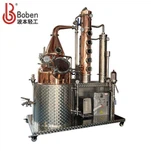
As a manufacturer of distillation equipment, we are frequently asked the same question by clients: "How long will it take to build your still?" Many newly built distilleries hold a common misconception: they focus excessively on equipment production lead time while neglecting the coordinated alignment of plant infrastructure, utility works and equipment processes. This is the core reason behind delayed commissioning for most projects. The delivery of distillation equipment is not the end goal of a distillery project. The synchronized implementation of full-process supporting works is the key to ensuring on-time commissioning and stable operation of the distillery.

Spirit Category Determines Equipment Specifications, and Process Positioning Defines Distillery Construction Plans
Distillation processes vary drastically across different spirit types, imposing distinct requirements on equipment specifications, plant space and supporting systems. Early-stage process definition and equipment selection directly shape the overall distillery construction scheme.
For whisky production, the classic pot still double distillation process is adopted. Post-fermentation wash has an ABV of only 7.0%–7.5%, which requires two distillation runs - stripping and spirit distillation - to raise the alcohol strength to 65%–70%. Industry standards mandate copper pot stills for whisky distillation. Copper reacts chemically with sulphur compounds in alcohol vapour to remove off-notes and refine spirit flavour. Meanwhile, differentiated design of the still pot geometry, swan neck height and lyne arm angle can create whiskies with vastly different flavour profiles and aromas.
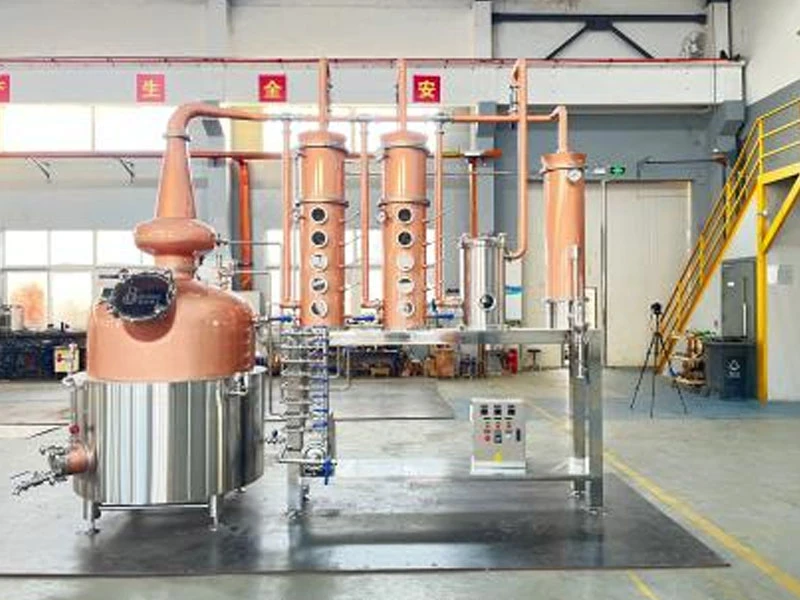
Compared with whisky, rum production offers greater equipment flexibility for customisation. Column stills support continuous, large-scale production for light-style rum, while traditional rum copper pot stills are used for small-batch artisanal production, delivering full-bodied, complex heavy rum. Distilleries planning multi-product portfolios must complete compatibility design for the distillation system at the initial project planning stage to reserve capacity for diversified production later.
As a premium spirit, brandy imposes the strictest requirements on equipment and plant infrastructure. High-quality brandy is commonly produced using brandy copper pot stills. The cognac still, iconic for Cognac production, performs double distillation; the choice between distilling with lees or without lees directly impacts the flavour quality of the final spirit.
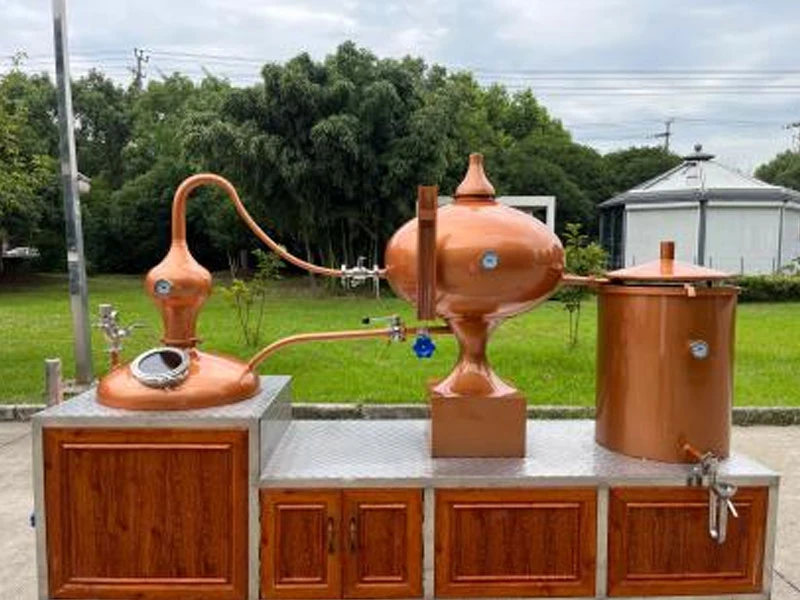
Equipment Manufacturing Lead Time: The Golden Window for Infrastructure Works
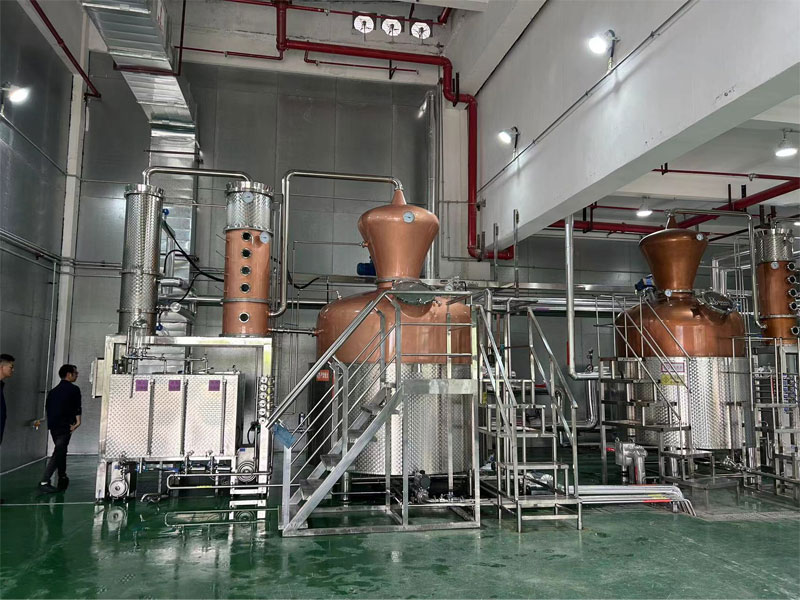
A custom copper distillation set typically takes 3 to 6 months for production, covering material cutting, forming, precision welding, hand finishing and assembly testing. Lead times will extend further for highly bespoke units. This manufacturing period is the golden window for distillery infrastructure and auxiliary construction. Equipment foundations, steam piping, electrical capacity, water supply & drainage, floor drains and ventilation systems should all be advanced concurrently during this phase. Many projects suffer delays for a simple reason: by the time the still arrives on site, steam supply is incomplete, foundations are not poured, and electrical capacity is insufficient, leaving the equipment idle.
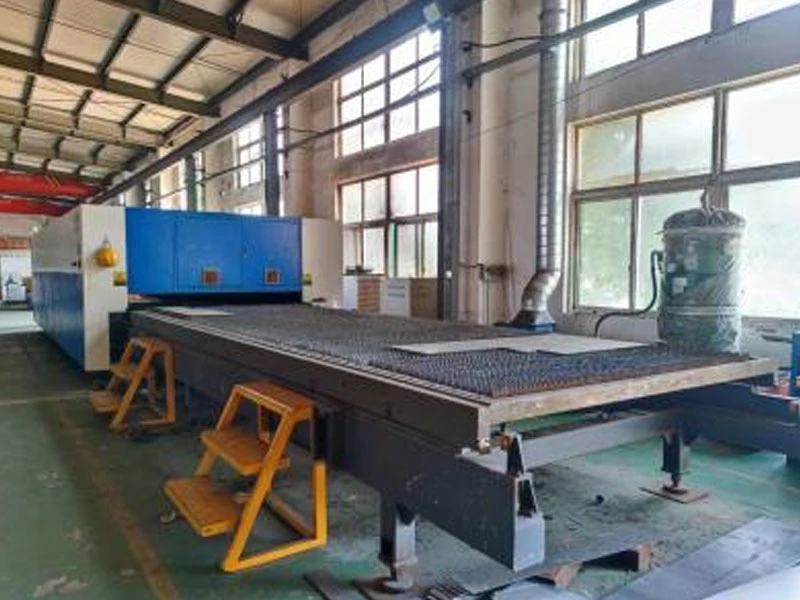
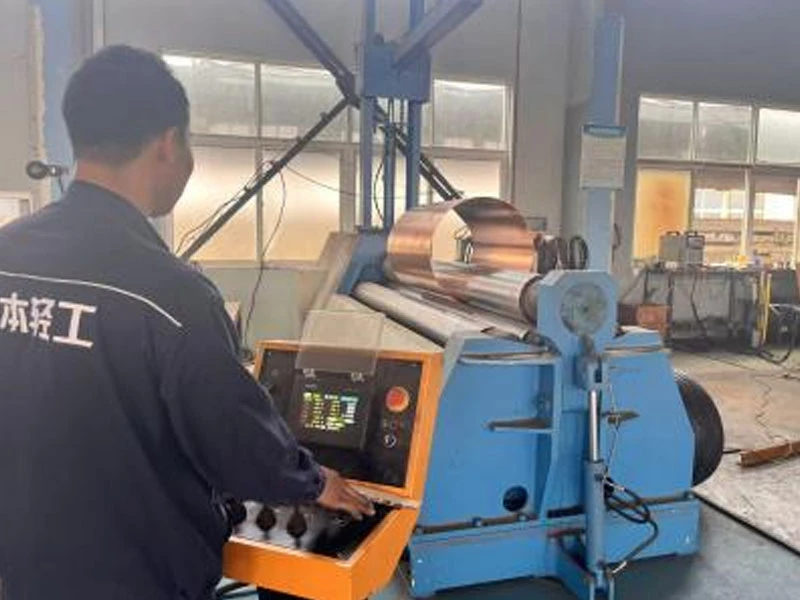
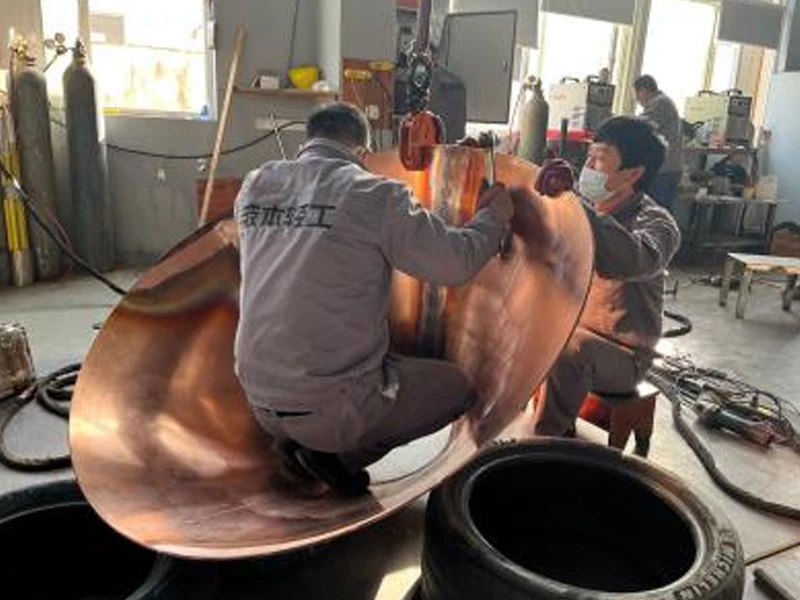
One often overlooked aspect of plant layout is that distillation workshops follow far stricter codes than ordinary factories. Alcohol vapour generated during production is flammable and explosive. Distillation workshops must comply with high-level fire safety regulations, fitted with explosion-proof electrical components, alcohol vapour detection & alarm systems and independent forced ventilation. In addition, workshops need stable temperature and humidity control. Piping and spirit storage vessels shall be made of 304 stainless steel or higher grade to avoid phthalate contamination. A complete wastewater treatment system, sized to match production capacity, is required to achieve safe and eco-friendly operation.
Emphasise Design Freeze to Avoid Rework and Delays from the Outset
Prior to equipment fabrication, all core parameters including process specifications, equipment dimensions, pipe connection interfaces and automation configurations must be fully locked in. Once the design is finalised, production commences. Copper distillation equipment features sophisticated craftsmanship and high manual customisation. Any design modification after production starts will incur substantial rework costs and push back project timelines. Therefore, systematic planning and precise design in the early phase are critical to cutting costs and shortening schedules.


What We Can Deliver
As an equipment supplier, we design and manufacture equipment according to your spirit category, production capacity and process requirements. We provide end-to-end services covering process planning, custom equipment fabrication, drawing documentation, foundation data submission, on-site installation guidance and system commissioning. We also offer turnkey solutions integrating mashing, fermentation, distillation, CIP cleaning and intelligent control systems, effectively resolving common industry pain points such as cumbersome coordination across multiple vendors and poor process compatibility.
Building a new distillery is a systematic project, not merely a procurement of equipment. Enterprises should first define target spirit types, production scale and process routes, and advance plant infrastructure, power, steam, ventilation, fire protection and other utility works in parallel. Only through front-loaded planning, precise matching and coordinated execution can a distillery be built efficiently and commissioned on schedule, laying a solid foundation for product quality and operational safety.