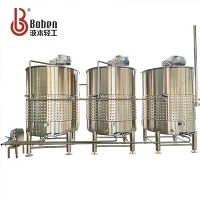
For whisky producers, the material chosen for pot stills is one of the critical factors defining the character of new make spirit. In practical distillation, T2 pure copper and SUS304/316L stainless steel perform very differently: copper acts as an active participant in flavour development, while stainless steel functions largely as an inert bystander.
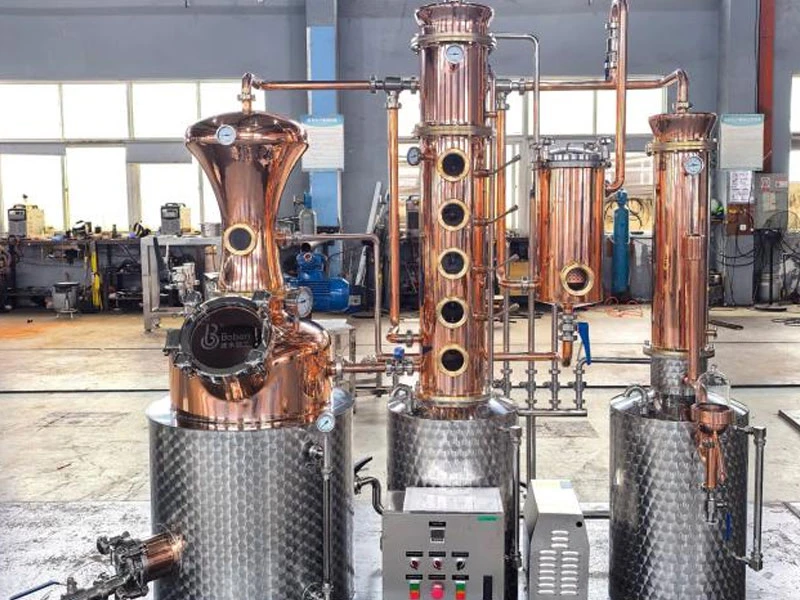

Pure Copper: A Cornerstone of Traditional Flavour
- Sulphide Removal: Copper catalyses the elimination of fermentative sulphur compounds such as hydrogen sulphide, methyl mercaptan and dimethyl sulphide, forming copper sulphide precipitates. This reduces sulphur levels in new make by over 90%, cutting unpleasant notes of rotten egg and rubber.
- Ester Promotion: Copper ions catalyse esterification. New make distilled in copper stills typically contains 30–50% more esters than that from stainless steel stills, delivering brighter fruity and floral aromas.
- Reduction of Unpleasant Fatty Acids: Copper reacts with butyric acid, octanoic acid, lauric acid and other fatty acids to form insoluble copper salts, mitigating oily texture and harshness in the spirit.
- Superior Heat Distribution: Copper has more than ten times the thermal conductivity of stainless steel. It avoids localised overheating during distillation, preventing burnt or scorched off-notes.
- Trace Copper Ions: New make from copper stills carries 1–3 ppm of copper ions, within safe limits. These trace amounts continue to support flavour integration during subsequent maturation.


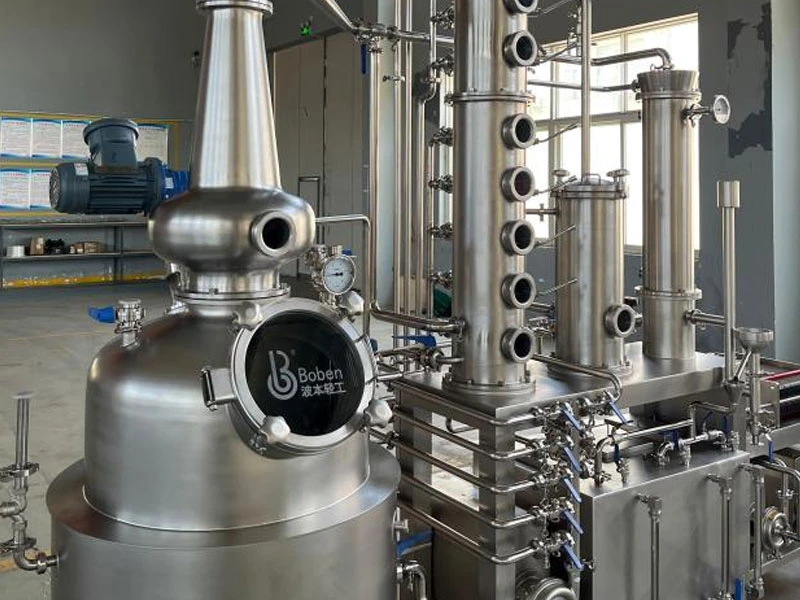
SUS304 / 316L Stainless Steel: Stable and Durable, with Minimal Flavour Interaction
- Chemical Inertness of SUS304: A passive chromium oxide layer renders it largely unreactive during distillation. Most sulphur compounds remain intact, ester formation is limited, and the resulting new make carries more pronounced sulphury and rubbery notes, weaker fruitiness, and a sharper palate.
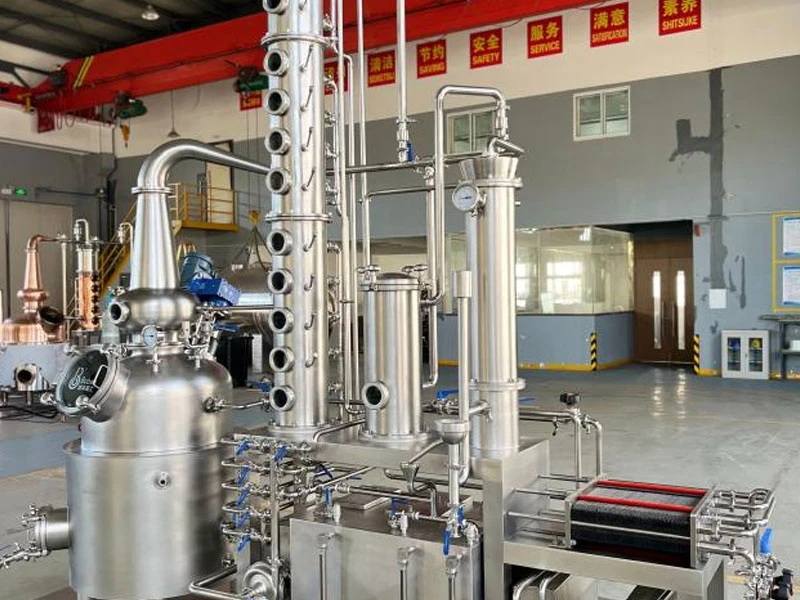
- Enhanced Corrosion Resistance of 316L: With 2–3% molybdenum added, 316L offers greater resistance to chloride ions and acidic media. It suits high-acid fermentations, coastal high-salt environments and production lines requiring frequent cleaning. Its flavour profile remains broadly neutral and less refined, comparable to SUS304.
- Long-Term Consistency: 316L is chemically stable, delivering relatively consistent flavour across extended production runs.
Key Performance Comparison
- Sulphur compounds: Copper removes over 90%; stainless steel retains the majority.
- Ester concentration: Copper distillate is 30–50% higher, with richer fruit character.
- Fusel oils: Stainless steel distillate contains higher fusel oil content, yielding a rougher spirit and greater potential for post-consumption discomfort.
- Palate and finish: Copper-distilled spirit is rounded, smooth and clean on the finish; stainless steel distillate tends to be hot and sharp with a short finish, sometimes carrying apparent sulphury or pseudo-metallic sensations.
Practical Production Considerations
- Premium Traditional Profile: Full-copper stills (pot, swan neck and condenser) are preferred. Distillation rate is commonly set at 6–7 L/min to maximise vapour contact with copper surfaces.
- Balancing Cost and Quality: Hybrid copper‑stainless designs are an option, for example a copper swan neck paired with a stainless steel pot.
- Large-Scale Industrial Production: 316L stainless steel is favoured for its service life and stability, suited to standardised, cost-efficient manufacturing.
- Experimental Styles: Stainless steel distillation can be used intentionally to retain sulphury character for non-conventional flavour profiles.
- Industry Context: Over 99% of Scottish single malt distilleries still use full-copper or hybrid copper stills. Modern craft distilleries manipulate copper contact area and vapour residence time for precise control over new make flavour.
In summary, pure copper remains largely irreplaceable for crafting the classic flavour signature of malt whisky, while 316L stainless steel is the material of choice where operational stability and scalability are prioritised. The final selection hinges on whether the distillery prioritises flavour expression, or cost and process efficiency.